
We all know how much bees love flowers, and we love to see them hard at work, flying from one to the next and spreading pollen! Pollinators like leaf-cutter bees are vital to the health and growth of flowers, but did you know they also pollinate other types of plants?
Below, we will discuss a few different things bees pollinate, both in the wild and in curated gardens. Keep reading to learn more about how you can get bees to pollinate more on your property, including where to get your very own leaf-cutter bees from Kind Bee Farms!
Trees & Shrubbery
Trees and bees need each other to keep our ecosystem going! Landscape trees like oaks, cedars, and spruces give bees excellent shelter for creating nests and hiding from pests.
Many of these trees also have flowering properties that provide bees with lots of nectar and pollen, allowing them to pollinate from tree to tree.
Landscape trees blossom through different times in spring and summer, so planting a variety on your property can give bees ample time to gather pollen and nectar throughout the season.
Some trees that bees love include:
- Yellow Poplars
- Willows
- Black Cherry
- Fruit trees
Higher flying varieties like honey bees are active in orchards, pollinating fruit trees, including apples, peaches, and pears.
Lower-flying pollinators, such as leafcutter bees, tend to pollinate lower-growing fruit bushes like blueberries, raspberries, and blackberries.
This enables them to carry their pollen to neighbouring trees, shrubs, bushes, and other greenery, providing ample pollination throughout the area!
Alfalfa Crops
Ever thought of a bee swarming around in your alfalfa sprouts? Interestingly, leaf-cutter bees were initially introduced to North America to enhance alfalfa acreage growth. The pollen from this crop is an excellent source of protein for our food supply!
Fun fact: Our founders, David and Layne, were mainly alfalfa farmers before they started raising leafcutter bees! They saw the impact of these super pollinators on their crops firsthand and began raising them full-time to help other growers and enhance pollination in various plant varieties.
Hostas
Bees love their perennials, and hostas are no exception! While hostas are generally known for their greenery, they also produce small, yellow flowers that attract many pollinators.
These plants usually bloom in the summer, which is when leafcutter bees are most active. Adding hostas to your garden plot is a great way to attract more pollinators to your property!
Flowering Lawns
Grass lawns are typically danced over by bees (unless you have a few dandelions poking out), but many homeowners are planting flowering lawns, which bees absolutely love!
Clover lawns have become very popular due to their lush, full appearance and the natural attraction of bees and other pollinators. These lawns are a particular draw for leafcutter bees, as they grow very low to the ground, making them easy for these kind bees to reach.
Vegetables
Many vegetables flower before they grow into their full size, which makes bees crucial to the growth and health of vegetable gardens!
Some flowering vegetables include squash, tomatoes, cauliflower, artichokes, and lettuce. Herbs like mint, thyme, basil, and lemon balm are also very attractive to leafcutter bees, making them ideal additions to your vegetable plot.
Improve Your Pollination with Kind Bee Farms
If you want to attract more pollinators to your property or garden, partner with Kind Bee Farms for your very own box of leaf-cutter bees! These kind bees pollinate at a 1:20 ratio compared to honey bees and are docile and easy to work around in the garden.
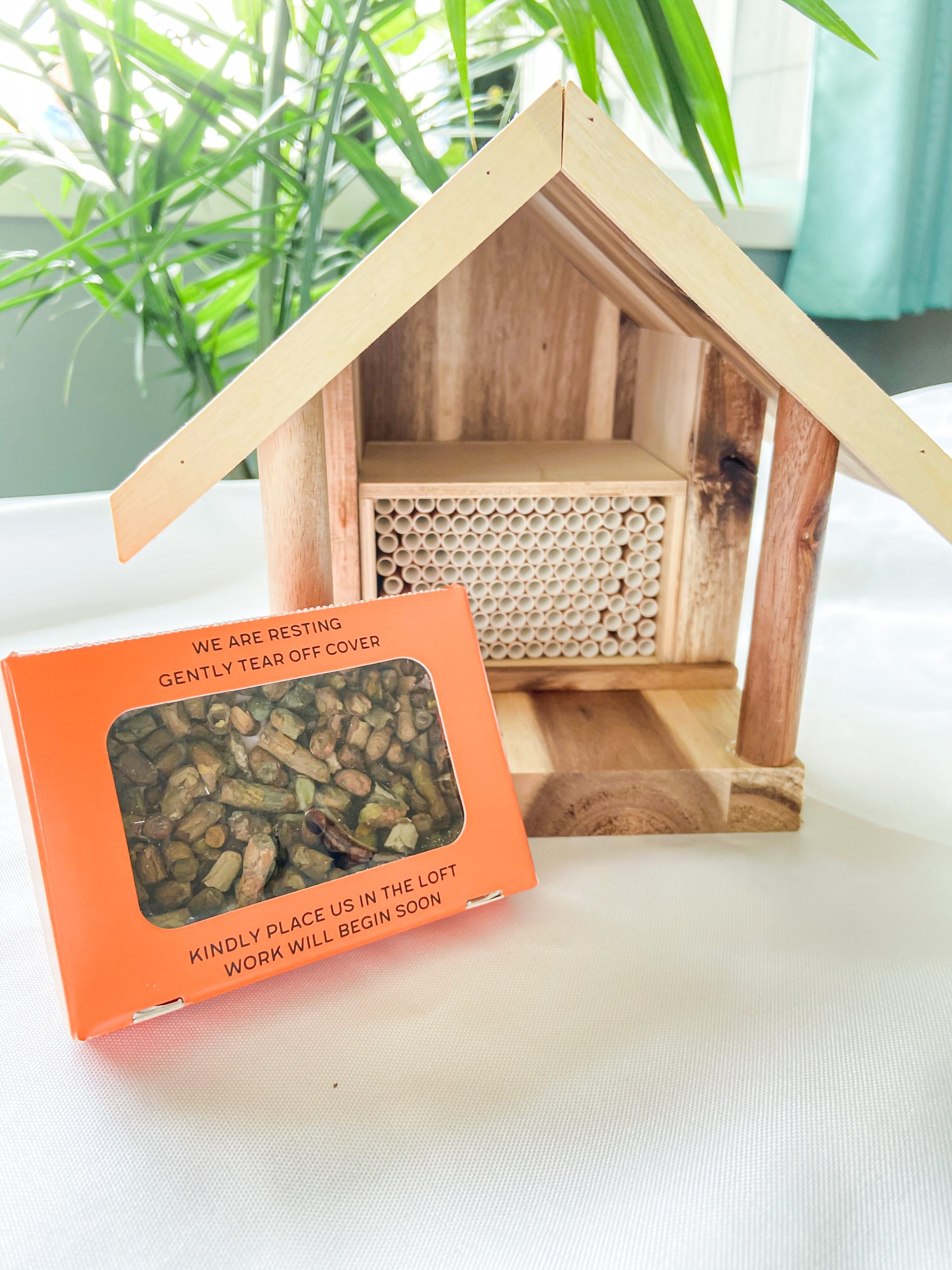
Order a bee house for your property to give them a place to hang their hats, and watch as they fly off to work and help your crops flourish!
Visit our Shop to pre-order your leaf-cutter bees for the 2026 growth season.