
We are inching closer to the 2026 growing season, so now is the perfect time to start making concrete plans for your summer garden!
Whether your gardening goals are about beautifying your property, reducing your grocery bill, or embracing sustainability, our team at Kind Bee Farms has a few ideas for how you can get the most out of your garden this summer. Keep reading for a few of our gardening tips, including how you can boost your garden’s pollination with leaf cutter bees.
Improve Soil Quality with Natural Enhancers
Some parts of North America have wonderful, natural soil, and it feels like the plants almost grow themselves! Some, however, have a harder time getting going, which is why many gardeners turn to soil enhancers to encourage growth.
While chemical-based soil enhancers might improve growth, they are not exactly doing the environment any favours.
If you want to improve your soil quality without using synthetic fertilizers, you are in luck: there are many natural soil enhancers you can get straight from the garden or your kitchen scraps!
You can create your own mulch using compost, worm castings, kitchen scraps, dead leaves, and other waste.
You can also find more eco-friendly store-bought fertilizers, like compost tea and diatomaceous earth, that not only improve soil quality but also deter pests from your plants (without harming helpful pollinating insects!).
Save Space and Grow Your Veggies Vertically
If you have a smaller yard, you may be wondering whether you can grow as much as you would like, especially if you are planning to grow vegetables and fruit in addition to ornamental plants.
One method that vegetable gardeners love is vertical growing, as many vegetables are climbing plants that can be grown on stakes and trellises.
Try growing cucumber, squash, pole beans, or vining peas vertically, and use the extra space for vegetables that grow outward.
Plant for Pollinators!
If you want to see better growth in your garden, plant things that are beloved by bees, birds, butterflies, and other pollinators! Local pollinators will be drawn to annuals and perennials native to your region. You can find plant directories in bookstores or on environmental websites!
Many gardeners have also seen success with “pollinator lawns,” which involve replacing traditional grass lawns with clover or wildflower lawns.
Tip: plant for both high and low-flying pollinators to ensure you get as many flying friends in the garden.
Low-flyers like leafcutter bees enjoy plants such as alliums, chamomile, lavender, berries, tomatoes, and other low-growing plants (you can find more ideas on our Instagram page!).
Try Succession Planting
Does your region enjoy a particularly long growth season? If so, succession planting can be a great way to use garden space to the full!
Succession gardening is when you plant something, harvest it, and then plant something else in its original place. This is another great way to make the most of a small garden!
Install a Leaf Cutter Bee House
If you want to improve the pollination in your garden, you can do more than plant to attract pollinators: you can bring them directly to your front door!
Leafcutter bees are a low-flying, docile bee species, known as “superpollinators” due to how many plants they can visit and pollinate in a day. Specifically, leafcutter bees can pollinate 20x faster than honey bees!
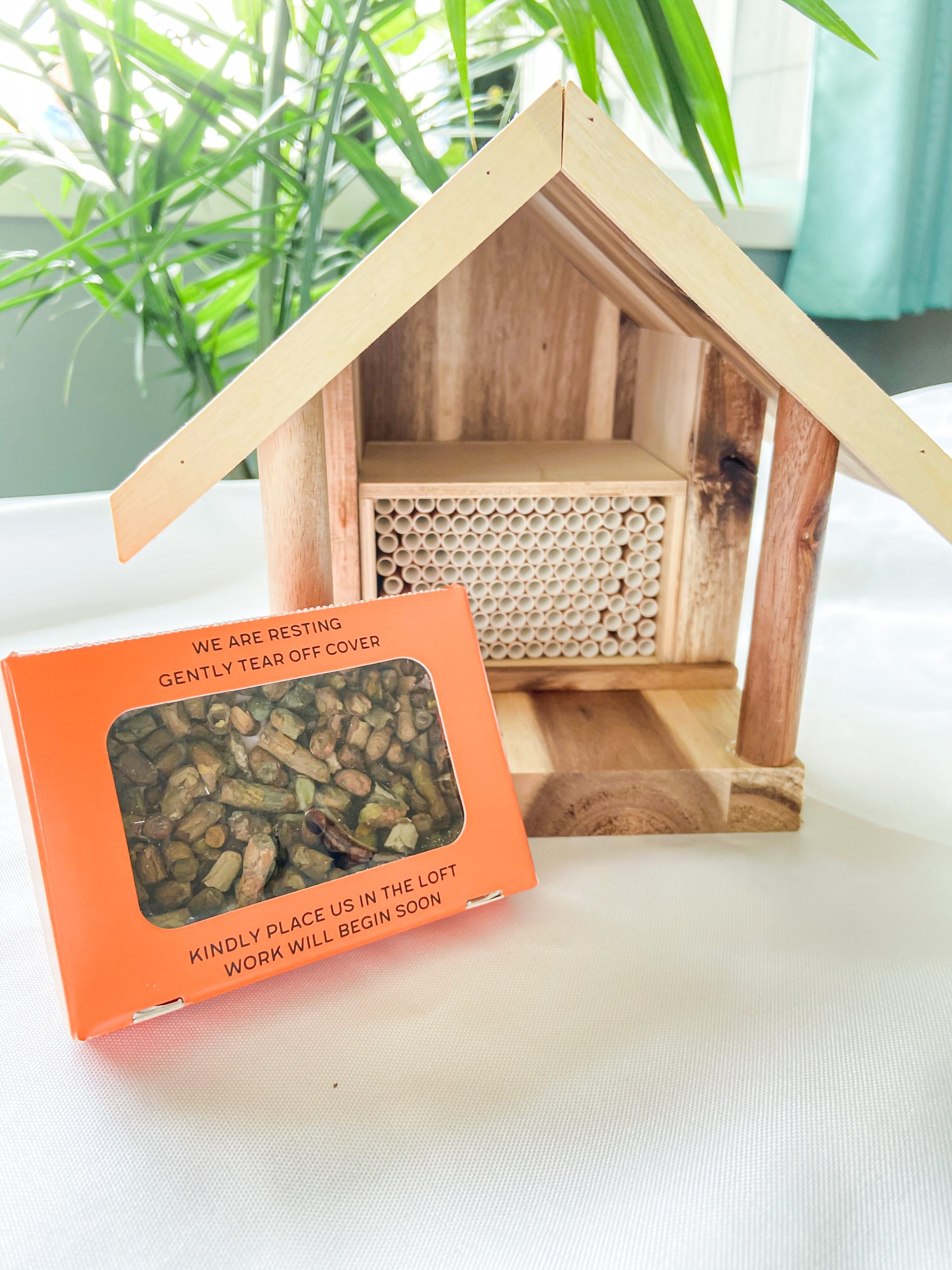
At Kind Bee Farms, we provide state-of-the-art Bee Starter Kits that include a box of 200+ hatched bees, paper nesting tubes, and our sturdy acacia wood Bee House.
Install the house in your garden, release the bees directly beside it, and see your garden bloom within a few short weeks!
Things to note about leaf-cutter bees:
- Leafcutters are summer bees (they love the heat). Order your kind bees for the summer growing period, or once temperatures are consistently 20°C (75°F) or above.*
- What they don’t love is heights. Leafcutter bees prefer low-growing plants, fruits, and vegetables. Make sure to include plenty of low-growing varieties in your garden for these kind bees to visit!
- Leafcutter bees are independent and easy-going, so don’t worry about acquiring a pile of gear to take care of them! All you need to do is mount the bee house in a safe area (we have a few tips on our Blog for that) and keep the house away from too many hazards like pests and sprinkler systems.
*If you live in a particularly hot climate, put your bees in a cool, dry area until the house is mounted and ready for them to move in (especially if they are buzzing about in the box!)
Enrich Your Garden with Kind Bee Farms
Are you excited to see your garden flourish in 2026? Partner with Kind Bee Farms for enhanced pollination from leaf cutter bees! Visit our Blog to learn more about these flying friends, and order your very own set of bees from our Shop.