
Gardening comes with many challenges, especially figuring out exactly what you can plant and when. Even the most skilled gardeners are at the mercy of their region’s climate, temperature averages, and soil when deciding what to include in their garden, which is why it is important to be familiar with your hardiness zone.
With the right plants for your native region and a set of superpollinators from Kind Bee Farms, you will watch your garden burst with growth in no time! Below, we will discuss how to plant based on your hardiness zone and how to achieve enhanced growth with a set of leafcutter bees.
What Is a Hardiness Zone, and Why Does It Matter?
Hardiness zones are geographic areas divided by their average annual minimum winter temperatures. These zones span a 5.5°C (10°F) range and are divided into subzones with more specific distinctions.
Gardeners and farmers can use hardiness zones to determine whether a plant will survive in certain weather conditions and climates. You can usually find the hardiness zones directly on plant containers or seed packets when shopping for plants.
For example, the hardiness zone in Melville, Saskatchewan (where Kind Bee Farms is located) falls into Plant Hardiness Zone 3b, with cold spikes sitting at -37.2°C to -34.4°C.
Since Saskatchewan is a colder province, perennials, shrubs, and trees are the most likely plants to survive during harsh conditions due to their durability.
Other regions like California, which enjoy a year-round growth season, can maintain flowers, fruit trees, and other blooms even in the winter months!
Hardiness zones help you with…
- Choosing plants that thrive in your local climate
- Planning gardening tasks like succession planting
- Successfully growing and harvesting plants through harsh weather conditions
Tips for Zone and Regional Gardening
Planting according to your region isn’t just about keeping plants going during the winter; it’s about ensuring everything you plant grows successfully throughout the season!
In addition to knowing your hardiness zone, other important factors like soil type, the direction you receive sun from, frost dates, and pollinator populations can play a big role in how well your garden grows. To plant for your region, follow these tips:
- Choose plants that are recommended for the zone you live in. Read plant labels before buying to make sure they align with the conditions in your area, as this is the best chance to create strong roots.
- Follow the right time to plant per zone. Even if it’s warm and sunny outside, it may still be too soon to start your garden. Check the recommended time period to start planting before you break ground. In the Canadian prairies, we are usually frost-free by May 27th, so you can usually start seeding plants by mid-May.
- Embrace native growing conditions and plant options. Plants and flowers that are native to your province or state are some of the best things to include in your garden, as they are designed to grow in your soil conditions. This is also a great way to attract more local pollinators like bees, birds, and butterflies!
- Introduce more pollinators. Planting for your region and hardiness zone is a very effective way to grow a garden, but to maintain a consistent, healthy level of growth, you need a bit of help from pollinators. You can order bees online from Kind Bee Farms!
We raise and sell leafcutter bees, a solitary species that pollinates at 20 times the rate of honeybees. These bees are primarily active during peak summer temperatures and are most effective when your garden is already in bloom.
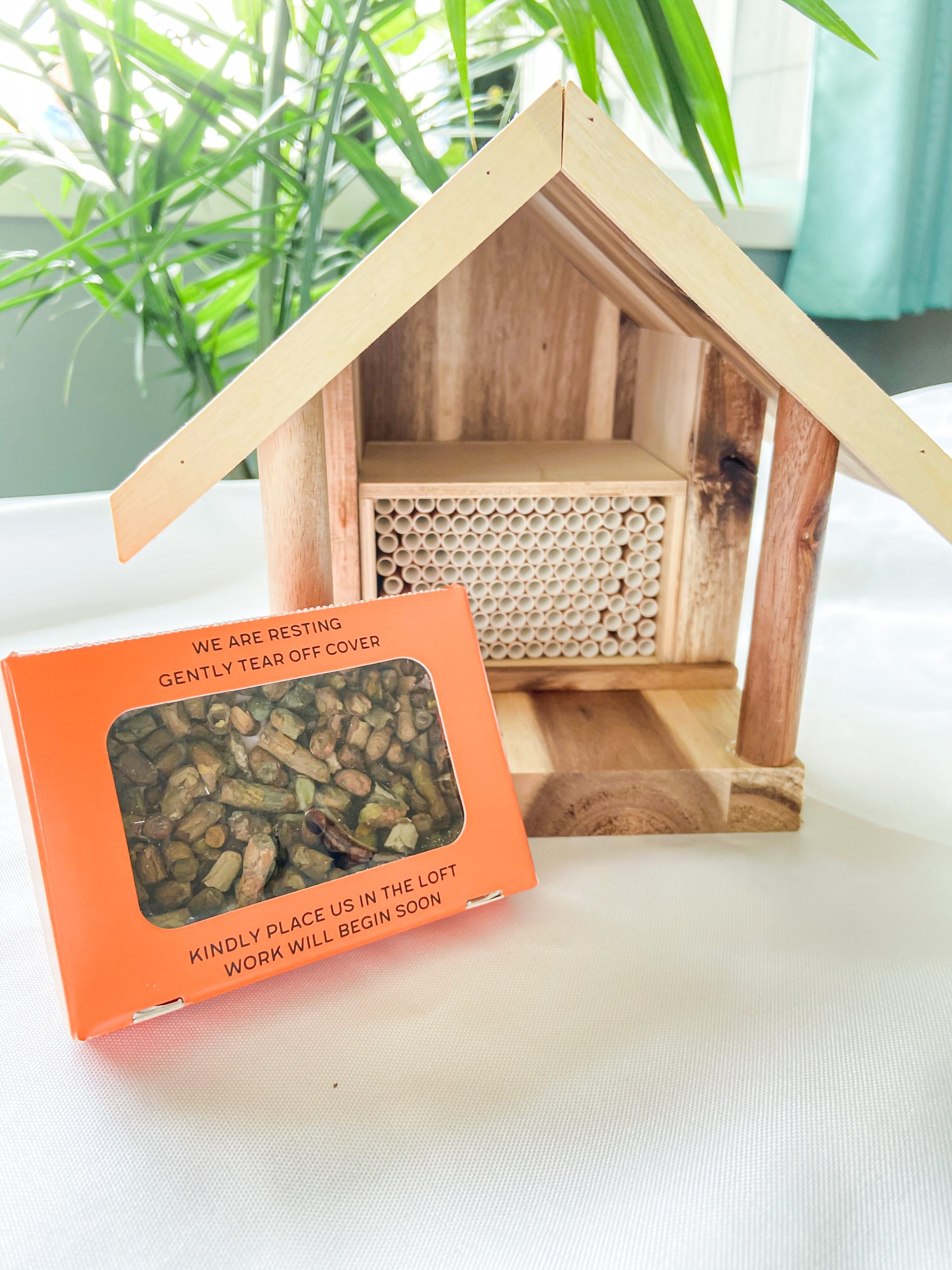
If you want to see your garden grow faster and more lush, you can order our Bee Starter Kit from the Kind Bee Shop!
Grow Your Garden with Kind Bee Farms
Planting according to your hardiness zone is one of the best ways to guarantee a healthy, lush garden, especially when you have help from super pollinators! Visit our Shop to order your Bee Starter Kit, and check out our Blog for more gardening tips and facts about leafcutter bees.