
Every experienced gardener knows how much the growth of their plants relies on pollination! Bees, birds, and butterflies are common pollinators that can help a garden go from seed to bloom within weeks. However, to get the right amount of pollination in your garden, it is important to understand what these different critters pollinate and how.
Below, we will break down the pollination process for bees, birds, and butterflies, and how you can attract them to your garden. Keep reading to learn more about how you can bring more pollinators to your garden with a Bee Box from Kind Bee Farms!
The Most Common Pollinators in Your Garden
Animal pollination is essential for plant growth. While some flower and plant varieties are self-pollinating, most need a bit of help from Mother Nature! Here are some common pollinators you’ll find flying and buzzing around your plants:
Bees
Bees are probably the first thing you think of when talking about pollinators, and it’s easy to see why: they are the most effective pollinators in our ecosystem!
Honeybees, bumblebees, mason bees, leafcutter bees, and other varieties are some of nature’s hardest workers when it comes to pollination.
For most bees, pollination is their number one job. They count on flowers as their source of food, and when they feed, they collect nectar and pollen on their bodies. As they fly from flower to flower, the nectar and pollen they gather are sprinkled everywhere, spreading their growth-enhancing properties.
At Kind Bee Farms, we raise leafcutter bees, known in the bee world as “superpollinators” for their ability to pollinate 20 times faster than honey bees—talk about hard workers!
Leafcutters are solitary bees, which means they live and work independently. They also don’t produce a byproduct like honeybees do, so pollinating is their main objective.
How to Attract Leafcutter Bees: Unlike other bee varieties, leafcutter bees are a low-flying species. If you want to draw them to your garden, make sure to include plenty of low-growing plants, such as berries, pansies, bee balm, and flowering vegetable patches!
Hummingbirds
Birds are another big contributor to pollination! In North America, hummingbirds are the most common bird pollinators, using their long, thin beaks to drink nectar, which they then use to pollinate tube-shaped flowers.
How to Attract Hummingbirds: If you want to attract hummingbirds to your garden, plant lots of red flowers! Hummingbirds are drawn to nearly anything red, so adding garden decorations, bird feeders, and other red items to your garden can also help bring these effective pollinators to your plants.
(Tip: Add more red to your garden by painting and/or decorating your leafcutter bee house!)
Butterflies and Moths
Butterflies are more than beautiful to look at; they are also another insect that our ecosystem relies on for pollination.
Butterflies pollinate by drinking nectar through their proboscis, which is a long, straw-like mouth that can reach far into flowers. Moths, cousins to the butterfly, actually have the longest proboscis in the world!
How to Attract Butterflies and Moths: Similar to hummingbirds, butterflies are effective pollinators for tube-shaped flowers! You can draw butterflies and moths with plants like verbena, bluebells, and honeysuckle (leafcutter bees also love these types of flowers).
Improve Your Garden’s Pollination with a Bee Box from Kind Bee Farms
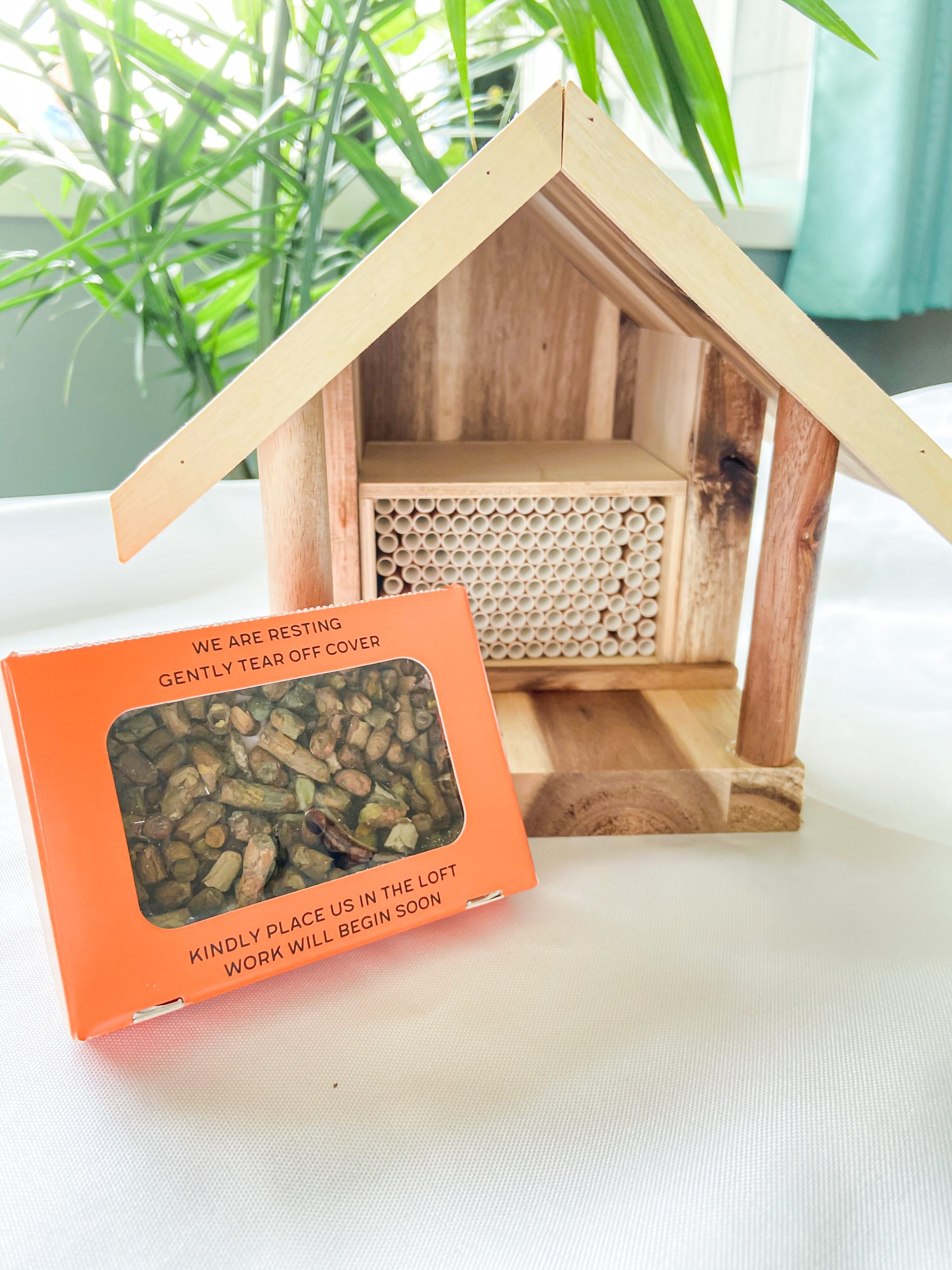
If you want to improve your garden’s growth, you can do more than attract pollinators; you can introduce them directly to your plants with a set of leafcutter bees from Kind Bee Farms! Our Bee House Starter Kit includes a 200+ bee box, nesting tubes, and a sturdy acacia wood house for them to nest in. After you install the house and release the bees, you will see your garden go from seed to bloom within weeks!
Visit our Shop to order your very own bee kit, and watch your garden thrive with our super pollinators!